Brush Cutting
Whipper snipping or brush cutting: what your block actually needs
They get used interchangeably and they are not the same job.
There is a particular kind of phone call we get in spring. Someone has looked at a paddock, decided enough is enough, and wants the whole lot sprayed out. Bare earth, start again, problem solved.
It is an understandable instinct and it almost always makes things worse. Here is why, and what to do instead.
Weeds are opportunists. Nearly every serious weed problem is a problem of open ground first and a plant problem second. Take out everything growing in an area and you have not removed the competition — you have removed the thing that was holding the space. The seed bank in the soil is still there, and it is usually weed seed that gets up first, because that is exactly what those species are built to do.
So the paddock greens back up in six weeks, and what comes back is thicker and more uniform than what you started with. You have spent money to run a selection process in the weeds’ favour.
Blanket spraying does not remove competition. It removes the competitors that were keeping the weeds honest.
Selective control means treating the plants you want gone and leaving the ones doing useful work. In practice that comes down to three things:
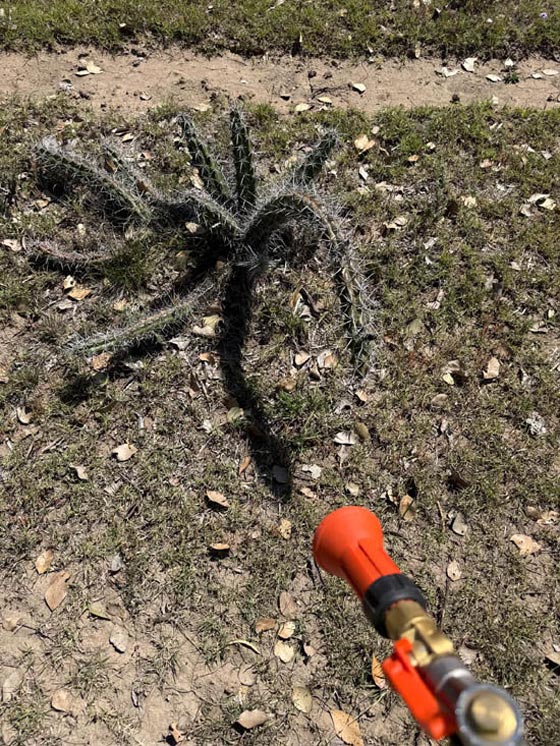
The single biggest lever is when you do it, not how much you put out. A plant treated while it is actively growing takes the treatment where it needs to go. The same plant treated when it is stressed, dormant or already setting seed may look affected and come back from the root anyway.
This is why we would rather book you in at the right time than the soonest time. If we suggest waiting a few weeks, that is not us putting you off — it is the difference between one visit and three.
You do not need to know the chemistry to judge the work. A few things are reasonable to expect from anyone you hire:
That last one matters most. Weed control is a program, not an event. Anyone promising a permanent fix in one pass is either misunderstanding your property or overselling.
Keep ground covered. Treat the target, not the paddock. Time it to the plant rather than the calendar. Write down what you did so next year starts from something better than memory. Do that and the problem gets smaller every season instead of resetting.
They get used interchangeably and they are not the same job.
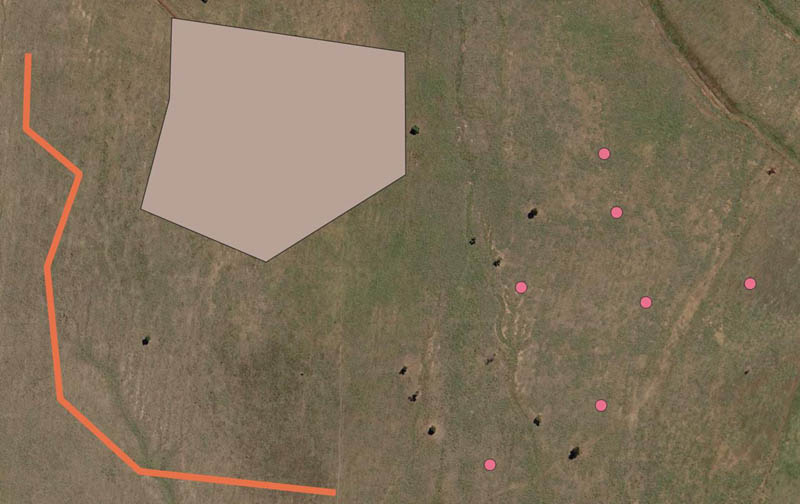
Paper spray sheets lose you money twice: in wasted chemical, and in ground you thought was done.